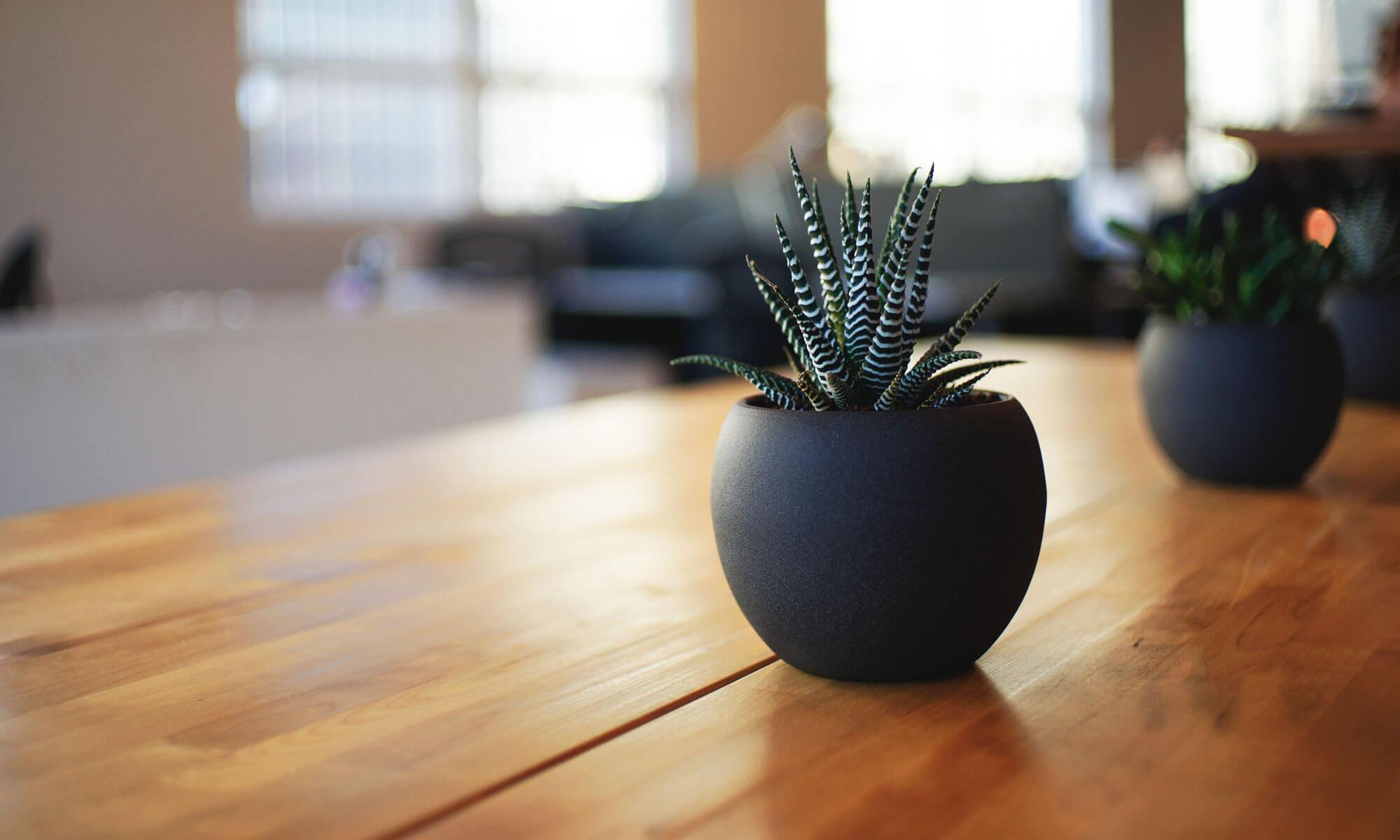

- Creative pottery embraces spinking techniques for unique surface patterns
- Exploring the Fundamentals of Spinking
- Tools and Materials for Spinking Success
- The Application Process: A Step-by-Step Guide
- Achieving Specific Effects with Spinking
- Beyond the Basics: Advanced Spinking Techniques
- Spinking and Glaze Interactions
- The Future of Spinking in Contemporary Ceramics
Creative pottery embraces spinking techniques for unique surface patterns
The world of ceramics is constantly evolving, with artists pushing the boundaries of traditional techniques to create truly unique and captivating pieces. One such technique that is gaining increasing recognition and popularity is spinking. This innovative method involves manipulating clay slip on a rotating surface to achieve dynamic and unpredictable surface patterns. It's a process that allows for a remarkable degree of creative control, yet also embraces the element of chance, resulting in truly one-of-a-kind artworks
Система внутренниÑ переводов между пользователями. Используйте ее на кракен маркетплейс с внутренними переводами. Наш сайт предоставляет доступ к переводам.
Unlike more conventional decorating methods, spinking doesn't rely on meticulous planning or precise execution. Instead, it's about reacting to the movement of the clay and the interplay of colors and textures. This spontaneous approach lends itself well to abstract designs, organic forms, and expressive statements. The attraction of spinking lies in its ability to yield surprising and visually stunning results, making it an exciting avenue for both established potters and those just beginning their ceramic journey.
Exploring the Fundamentals of Spinking
At its core, spinking is a relatively simple technique, but mastering it requires practice and an understanding of the materials involved. The process generally begins with a leather-hard clay form. Leather-hard clay is firm enough to hold its shape but still contains some moisture, allowing for manipulation. Colored slips, which are liquid clay mixtures, are then applied to the surface of the piece. These slips can be made from a variety of clay bodies and pigments, offering a wide range of color possibilities. The key element is the rotation of the piece during application; this is crucial for establishing the fluid patterns characteristic of spinking.
Achieving consistent results in spinking isn’t about rigid control but about understanding the variables and adapting accordingly. The speed of rotation, the viscosity of the slip, the amount of slip applied, and the tools used – all contribute to the final outcome. Pottery wheels or even manually rotated turntables can be employed. Experimentation with different tools, such as brushes, skewers, and even fingers, allows for further customization of the effect. The application of multiple layers of contrasting colored slips adds depth and complexity to the designs.
Tools and Materials for Spinking Success
While the fundamentals of spinking are straightforward, having the right tools and materials at your disposal can significantly enhance the experience and results. Aside from the essential leather-hard ceramic piece and colored slips, a variety of applicators and rotating devices can be utilized. Different sized brushes allow for variations in line width and texture. Skewers or dental tools are useful for creating finer details and controlled patterns. A pottery wheel provides consistent and reliable rotation, though simpler turntables can be effective for smaller pieces or initial experimentation.
The consistency of the slip is also crucial. It should be fluid enough to flow easily but not so watery that it runs uncontrollably. Adding varying amounts of water or CMC gum (carboxymethyl cellulose) can adjust the slip’s viscosity. Furthermore, choosing appropriate pigments for coloring the slips is important. Ceramic stains are generally preferred as they are stable at high firing temperatures, ensuring the colors remain vibrant and true. Finally, it's essential to have a well-ventilated workspace, as working with clay and slips can generate dust.
| Material | Description |
|---|---|
| Leather-hard Clay | A partially dried clay form, firm enough to handle but still workable. |
| Colored Slips | Liquid clay mixtures pigmented with ceramic stains. |
| Brushes | Various sizes for applying slip and creating different textures. |
| Skewers/Dental Tools | For detailing and controlled pattern creation. |
The choice of clay body also impacts the final aesthetic. Different clay bodies react to coloring agents and firing temperatures in different ways. Experimenting with various clay bodies can lead to exciting variations in color and texture.
The Application Process: A Step-by-Step Guide
Successfully applying the spinking technique hinges on a thoughtful and methodical process. Initially, preparing the surface of the leather-hard piece is essential. Smoothing out any imperfections avoids unwanted disruptions in the slip flow. Applying a base coat of slip, often a neutral color, can provide a unifying background and enhance the visibility of subsequent layers. The base coat should be allowed to partially dry before subsequent layers are added. This prevents the colors from blending excessively and allows for greater control over the final design.
The subsequent layers of colored slips are applied while the piece is rotating. The speed of rotation significantly impacts the pattern. Slower speeds encourage more controlled, deliberate patterns, while faster speeds result in more dynamic and chaotic designs. Experimenting with varying speeds is key to discovering the effects that appeal most. The application technique itself varies; some artists prefer to drizzle slip from a bottle, while others use brushes or other tools. Building up layers of contrasting colors creates depth and visual interest. Multiple passes with different colors contribute to a rich and complex surface.
Achieving Specific Effects with Spinking
The beauty of spinking lies in its versatility; a range of visual effects can be achieved by manipulating the variables of the process. For example, to create a marbling effect, drips of different colored slips can be applied closely together, and then subtly blended while the piece is rotating. This produces a swirling, organic pattern reminiscent of marble stone. Conversely, for a more fractured or broken effect, the slip can be applied in thicker layers and then deliberately disrupted with a tool, creating a network of cracks and fissures.
The technique of ‘sgraffito’ can also be incorporated into spinking. Sgraffito involves scratching through a layer of slip to reveal the clay body beneath, creating contrasting lines and patterns. Applying a dark slip followed by a lighter slip and then scratching through the light slip to reveal the dark slip underneath is a common method. Another technique is to use masking tape or stencils to define specific areas before applying the slip, creating sharp, geometrical designs. Ultimately, experimentation is crucial for mastering spinking and developing a unique visual style.
- Experiment with different slip viscosities.
- Control the speed of rotation to influence pattern dynamics.
- Layer colors strategically for depth and contrast.
- Incorporate sgraffito techniques for added detail.
- Explore various application tools for diverse textures.
- Embrace the element of chance and spontaneity.
Understanding that each attempt will yield unique results is integral to appreciating the artistry of spinking. It's about learning to work with the process, rather than trying to force a specific outcome.
Beyond the Basics: Advanced Spinking Techniques
Once the fundamentals of spinking are mastered, artists can explore more advanced techniques to further refine their work. This includes the incorporation of multiple clay bodies, layering slips with different firing temperatures, and combining spinking with other decorative techniques. Using clay bodies with varying particle sizes can create interesting textural contrasts. Applying a slip that matures at a lower temperature than the underlying clay body can result in unique color effects during firing, such as crazing or shivering.
Combining spinking with techniques like carving, burnishing, or adding textured elements can add another dimension to the surface of the ceramic piece. For instance, burnishing creates a smooth, polished surface that contrasts beautifully with the organic patterns created by spinking. Carving into the slip after application can create intricate designs and reveal underlying colors. The possibilities are truly endless, limited only by the artist's imagination. Expanding skills into incorporating underglazes and overglazes after spinking delivers an expanded palette of color and surface qualities.
Spinking and Glaze Interactions
The interaction between spinking and glaze application presents a fascinating set of challenges and opportunities. The porous nature of the spinked surface absorbs glaze differently than a smooth, untextured surface. This can result in variations in color intensity and glaze flow, creating unique and unpredictable effects. Carefully considering the glaze type and application method is crucial for achieving the desired outcome. Multiple glaze layers can be particularly effective, building up depth and complexity.
Testing different glaze combinations on small test tiles before applying them to a larger piece is highly recommended. It is also essential to be aware of the potential for glaze crawling or running, especially on spinked surfaces. Applying a thin, even coat of glaze and allowing it to dry completely before applying subsequent layers can help prevent these issues. Furthermore, the careful selection of glaze colors that complement the spinked pattern is key to creating a harmonious and visually appealing piece.
- Prepare test tiles with spinked surfaces.
- Apply different glaze combinations to the tiles.
- Fire the tiles to assess glaze interactions.
- Choose glazes that complement the spinked pattern.
- Apply glaze in thin, even layers.
- Allow glaze to dry completely between layers.
The interplay between the spinking decoration and the final glaze finish is often where the true magic happens, transforming the piece into a captivating work of art.
The Future of Spinking in Contemporary Ceramics
As more artists discover and explore the possibilities of spinking, it’s likely that we will see even more innovative applications of this technique. The trend towards organic forms and expressive surfaces in contemporary ceramics is perfectly aligned with the aesthetic qualities of spinking. The movement towards handmade and unique items resonates deeply with consumers seeking authenticity and individuality, increasing the demand for spinked ceramic pieces. We can anticipate further experimentation with advanced materials, incorporating elements like metallic oxides or reactive glazes.
The technique’s intuitive nature makes it particularly appealing to artists who wish to express themselves through a more spontaneous and less controlled process. This embraces a rejection of rigid perfection in favor of embracing the inherent imperfections and the beauty of chance. Virtual workshops and online tutorials are democratizing access to spinking knowledge, enabling a wider audience to participate in this exciting ceramic tradition. The continued evolution of spinking promises a vibrant future for this captivating technique.