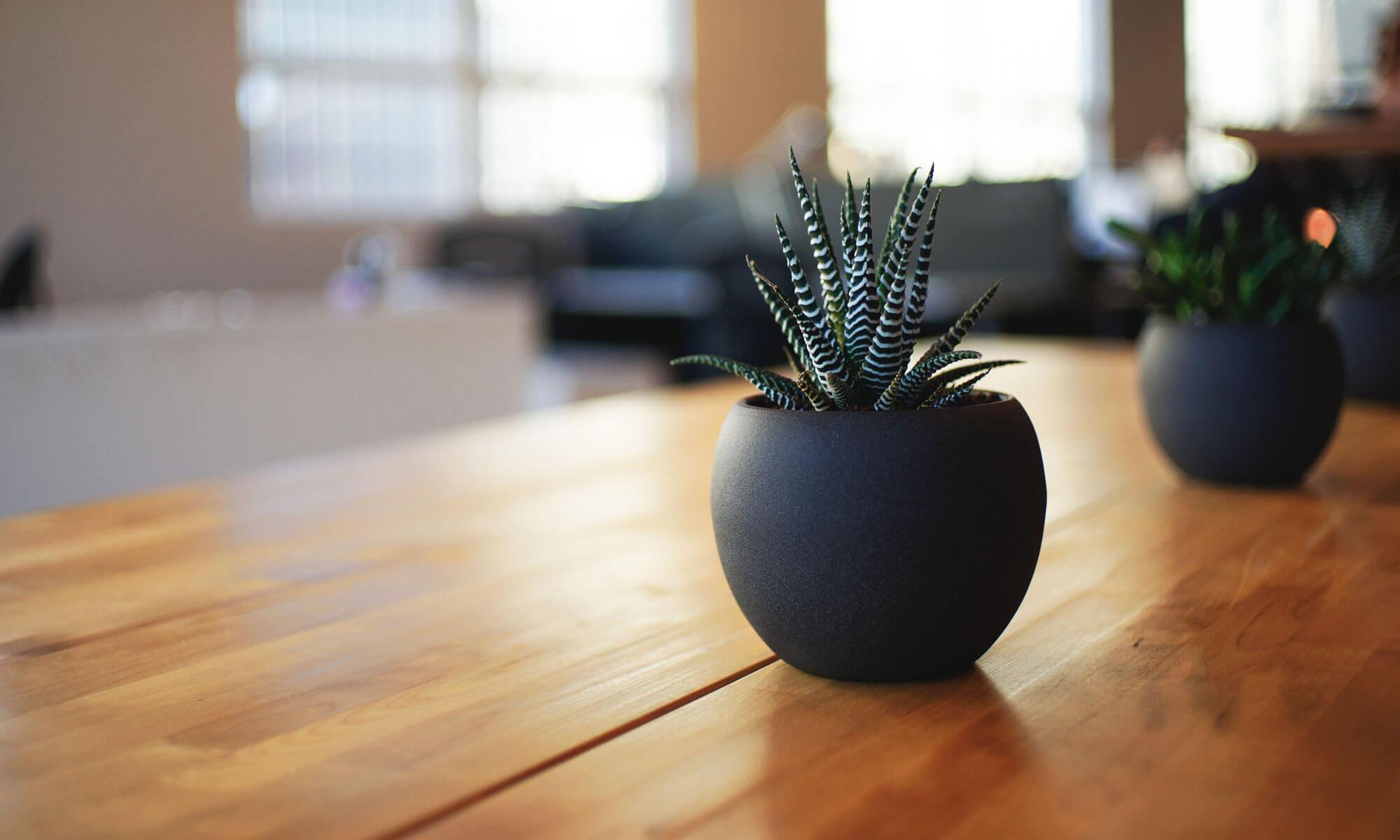

- Exceptional craftsmanship elevates everyday living through https://spin-pin.uk and timeless design
- The Allure of Handcrafted Quality
- The Significance of Supporting Artisans
- The Role of Design in Creating Lasting Appeal
- Principles of Timeless Design
- The Importance of Sustainable and Ethical Practices
- Traceability and Transparency in Craftsmanship
- Exploring Diverse Craft Traditions
- Beyond Aesthetics: The Emotional Connection to Handcrafted Goods
Exceptional craftsmanship elevates everyday living through https://spin-pin.uk and timeless design
In a world increasingly defined by mass production, the desire for unique, handcrafted items is experiencing a remarkable resurgence. Individuals are actively seeking objects that tell a story, possess character, and reflect a commitment to quality that transcends the ordinary. This yearning for authenticity is precisely what drives the philosophy behind https://spin-pin.uk, a platform dedicated to showcasing exceptional craftsmanship and timeless design. They curate a collection that isn’t simply about acquiring possessions; it’s about investing in artistry and elevating everyday living through objects of enduring beauty.
The appeal lies in the narrative woven into each piece, the skilled hands that shaped it, and the conscious choice to support independent creators. It’s a departure from the fleeting trends of fast fashion and disposable goods, embracing instead a slower, more deliberate approach to consumption. This trend isn't merely aesthetic; it represents a shift in values, prioritizing sustainability, ethical production, and a deeper connection to the things we surround ourselves with. The focus on quality and durability speaks to a long-term perspective – items meant to be cherished and passed down through generations, rather than discarded after a single season.
The Allure of Handcrafted Quality
The beauty of handcrafted items resides in their inherent imperfections. Unlike machine-made products that strive for perfect uniformity, handmade pieces often bear the subtle marks of the artisan's hand – slight variations in color, texture, or form. These irregularities aren't flaws; they are testaments to the human element, adding character and individuality that mass-produced items simply cannot replicate. This dedication to the unique lends a sense of authenticity and personal connection to each piece. People are naturally drawn to objects that feel genuine, possessing a depth and soul that resonates on a deeper level. Furthermore, the creation process itself often embodies a dedication to sustainable practices and responsible sourcing, appealing to a growing consumer base that prioritizes ethical consumption.
The Significance of Supporting Artisans
Choosing handcrafted doesn't just mean acquiring a beautiful object; it means directly supporting the livelihoods of artisans and preserving traditional skills. Many artisans operate on a small scale, relying on direct sales to sustain their craft. By purchasing their work, we empower them to continue creating, fostering a vibrant ecosystem of creativity and innovation. This support also plays a crucial role in preserving traditional techniques that might otherwise be lost to time. These skills, often passed down through generations, represent a rich cultural heritage that deserves to be celebrated and safeguarded. The financial benefit to these skilled craftspeople allows them to continue practicing these art forms ensuring their survival for future generations.
| Material | Crafting Technique |
|---|---|
| Wood | Woodcarving, Joinery, Turning |
| Ceramics | Wheel Throwing, Hand Building, Glazing |
| Textiles | Weaving, Knitting, Embroidery |
| Metal | Forging, Casting, Welding |
Understanding the process behind each item adds another layer of appreciation. The time, skill, and dedication required to create something by hand are substantial, and acknowledging this investment elevates the perceived value of the object. A beautifully crafted wooden bowl, for example, isn’t just a vessel for food; it’s a testament to the woodworker’s expertise and a celebration of the natural beauty of the material. It's this connection to the maker and the materials that transforms a simple purchase into a meaningful experience.
The Role of Design in Creating Lasting Appeal
Timeless design isn't about chasing fleeting trends; it’s about creating objects that remain relevant and aesthetically pleasing for years, even decades, to come. It’s a careful balance of form and function, prioritizing both beauty and usability. The designs offered through platforms like https://spin-pin.uk often draw inspiration from classic styles, incorporating clean lines, natural materials, and neutral color palettes. This approach ensures that the pieces seamlessly integrate into a variety of interior design schemes, avoiding the pitfalls of overly trendy or ostentatious designs that quickly become dated.
Principles of Timeless Design
Several core principles underpin timeless design. Simplicity is paramount – avoiding unnecessary ornamentation and focusing on essential forms. Functionality is also critical; an object should serve its intended purpose effectively and efficiently. Quality materials that age gracefully, such as solid wood, natural stone, and durable fabrics, are essential, as they contribute to the longevity of the piece. Furthermore, a sense of harmony and proportion is crucial, creating a visually balanced and pleasing aesthetic. These principles, when applied thoughtfully, result in objects that transcend trends and offer enduring value. A well-designed piece, constructed with quality materials, feels inherently substantial and has a lasting presence within a space, giving it a sense of permanence.
- Focus on natural materials.
- Embrace simplicity and clean lines.
- Prioritize functionality and usability.
- Select a neutral color palette.
- Invest in quality craftsmanship.
The enduring appeal of well-designed objects also lies in their ability to evoke emotions and create a sense of connection. A beautifully crafted chair, for example, can provide not only comfortable seating but also a feeling of warmth and invitation. A thoughtfully designed ceramic vase can elevate a simple bouquet of flowers, transforming it into a focal point of beauty. The power of design lies in its ability to enrich our lives and create spaces that are both functional and emotionally resonant.
The Importance of Sustainable and Ethical Practices
Consumers are increasingly aware of the environmental and social impact of their purchasing decisions. They are actively seeking out brands and products that align with their values, prioritizing sustainability, ethical production, and fair labor practices. This growing demand for conscious consumption is driving a shift towards handcrafted items, as they often embody these principles more readily than mass-produced goods. Artisans frequently prioritize locally sourced materials, reducing their carbon footprint and supporting local economies. They also tend to employ smaller-scale production methods, minimizing waste and energy consumption. This is in direct contrast to the often opaque and environmentally damaging supply chains of large corporations.
Traceability and Transparency in Craftsmanship
One of the key benefits of purchasing handcrafted items is the increased traceability and transparency of the production process. You can often learn about the origin of the materials, the artisan who created the piece, and the techniques employed. This level of transparency allows consumers to make informed choices and support businesses that are committed to ethical and sustainable practices. This contrasts sharply with the lack of transparency often associated with mass-produced goods, where it can be difficult to determine the origins of the materials or the working conditions of the people who made them. Knowing the story behind a product adds value and fosters a sense of connection between the consumer and the creator. It’s about valuing the process as much as the product.
- Source materials locally whenever possible.
- Minimize waste through efficient production methods.
- Ensure fair wages and safe working conditions for artisans.
- Prioritize durable materials with a long lifespan.
- Embrace eco-friendly packaging and shipping practices.
Supporting artisans who prioritize sustainability and ethical practices isn't just good for the environment and society; it's also good for business. Consumers are willing to pay a premium for products that align with their values, recognizing that these items represent a long-term investment in a more sustainable and equitable future. Platforms such as https://spin-pin.uk are playing a vital role in connecting consumers with artisans who are committed to these practices, fostering a more conscious and responsible marketplace.
Exploring Diverse Craft Traditions
The world is rich with diverse craft traditions, each reflecting the unique cultural heritage of its region. From the intricate weaving of Moroccan rugs to the delicate ceramics of Japanese pottery, these traditions represent centuries of accumulated knowledge and skill. Exploring and appreciating these diverse forms of craftsmanship broadens our understanding of the world and fosters a sense of global interconnectedness. It’s a way to celebrate the creativity and ingenuity of human cultures across the globe.
Many artisans are working to preserve and revive these traditional techniques, ensuring that they are passed down to future generations. Their work not only keeps these valuable cultural practices alive but also provides economic opportunities for communities in the process. Supporting these artisans helps to safeguard a rich tapestry of cultural expression that would otherwise be lost to time. Furthermore, incorporating these unique handcrafted pieces into our homes can add a sense of personality and authenticity, creating spaces that reflect our individual tastes and values.
Beyond Aesthetics: The Emotional Connection to Handcrafted Goods
While the aesthetic appeal of handcrafted items is undeniable, their true value extends far beyond mere aesthetics. These objects possess an emotional resonance that mass-produced goods simply cannot replicate. They are imbued with the energy and intention of the artisan, reflecting their passion, skill, and dedication. This emotional connection fosters a sense of ownership and attachment, transforming the object from a mere possession into a cherished heirloom. It's about recognizing the human story behind the item and appreciating the artistry that went into its creation. This emotional investment often leads to a greater sense of care and appreciation, prompting us to handle these objects with reverence and pass them down through generations.
This connection is further strengthened by the knowledge that each piece is unique and irreplaceable, carrying with it a history and a story. It's a departure from the uniformity of mass production, embracing instead the beauty of imperfection and the authenticity of the handmade. Choosing to surround ourselves with handcrafted objects isn't just about decorating our homes; it's about cultivating a lifestyle that values quality, sustainability, and the enduring power of human creativity. The pursuit of items from sources like https://spin-pin.uk reflects a broader desire for a more meaningful and connected existence.